
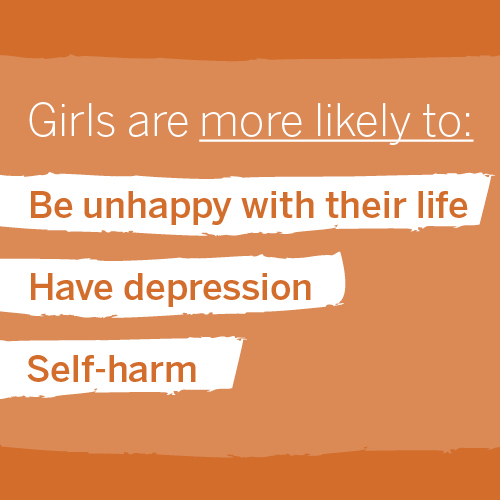
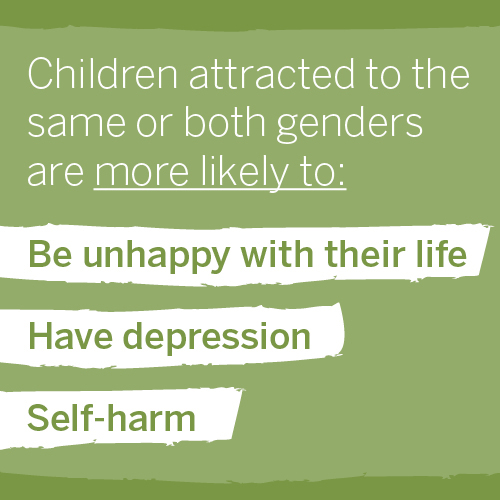
At a time when schools are facing the most challenging financial climate since the dark days of Maggie Thatcher, we face one of the greatest challenges, supporting young people experiencing significant issues with their mental health. The scale of the issues are daunting at the end of the summer 2018, The Children’s Society published its survey of young people called “The Good Childhood Report” which contains some truly shocking statistics. As a father of three girls, the one that really caught my attention was that 1 in 4 girls will have been involved in some kind of self-harm by the time they are 15 years old. For girls schools and mixed schools that would suggest that up to 6 pupils in any one class in a girls school will have self harmed and up to 3 girls in any class in a mixed school (given an even gender split). The story for boys is a little different where the self harm figures are about 1 in 10 or 1 in 11 although this still means that up to 3 boys in any class in a single sex school could have been involved in self harm and 1 or 2 in any class in a mixed school. For young people who are attracted to the same or both genders, this figure can be as high as 50%.

There has at the same time been a big increase in the number of young people being hospitalised because of issues around mental health a ten fold increase in girls in 20 years from 249 in 1997 to 2736 and a 6 fold increase in boys during the same period from 152 to 893.
If you add to this the significant increase in young people suffering from a diagnosed Anxiety issue and then needing extra support in Exams the picture becomes even more demanding (about 20% of the year 11 in my school last year)
So what can we do?
I am very lucky working in a very large school that can continue to support additional resourcing for wellbeing and that means that we can, identify, mentor and support lots of young people directly and we support some parents/carers as well as a part of that support package. We currently have a team of 3 professionally qualified counsellors, all BACP accredited, and we buy in additional specialist counselling resources.
If you are not lucky enough to have these wonderful colleagues in your school, what can you do?
Challenging school cultures is always hard but sometimes its easier than others. Post pandemic, most people are aware that we are facing an epidemic of mental health issues for young people with significant increases in those being diagnosed with Anxiety issues, self-harm, eating disorders and low moods overlaying a lot of those issues is sleep disruption. On other pages I write about links between attendance and mental health.
The single biggest starting point is training staff to identify the signs of young people in distress, not coping well, a bit of a worry.
Your staff are your eyes and ears for all safeguarding activities and mental health and student wellbeing is another safeguarding issue!
Staff in all schools work hard and it has to be clear when introducing the mental health agenda that we are not asking staff to work harder we are asking them to work a little bit differently. In the staff training that we do around mental health we are asking people to think about the young people in school not just the ones that we teach but the ones we see on duty in the playground or walk past in a corridor and think “are they OK”?
So, in a school context, what does this mean?
- Having clear lines of referral for all staff to raise concerns about a students mental health.
- Have clear processes for those receiving the referrals to take action reviewing the referrals and identifying what action needs to be taken either via internal support or external support.
- Those reviewing the referrals have been appropriately trained and understand the process of accessing external support for students by making referrals to services and are aware of the thresholds that those services have.
- That data on referrals is gathered in a way that allows them to be monitored for bias based on ethnicity, gender and FSM/PP indicators. (Nationally their is an issue with referrals to CAMHS being disproportionately white, middle class girls.)
 Reflecting on Education